AS one of the most successful and fastest growing sectors in the UK, logistics is key to keeping the economy moving.
To keep pace with this success and growth, the industry faces multiple challenges recruiting exceptional talent, developing it and retaining it.
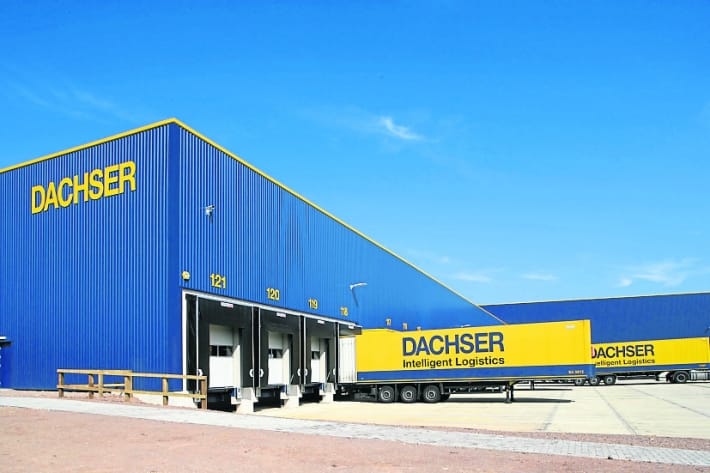
Dachser Ltd is no exception to the industry growth curve, having enjoyed many years of impressive development, most recently evidenced by a 16.5 per cent increase in annual net sales to £ 77m in 2017.
Rachel Bussey, HR officer at the Northampton-based firm, explains why businesses are having to think differently about the recruitment process, and why a vibrant and expanding apprenticeship programme is at the heart of Dachser’s learning and development strategy.
Business Times: What challenges has the business been facing which has prompted the drive to recruit apprentices?
Rachel Bussey: The recruitment market is experiencing major changes and skills gaps, particularly in the last few years. The days where we could once rely on temporary agency staff to meet demand are now slowly disappearing, and the expanding logistics sector means that experienced, well-qualified, quality staff are valuable assets and integral to the continued growth of our industry. It is apparent that the market today is very candidate-driven and we are finding that high-performing candidates are quickly being offered employment in what is already a very competitive market, so it is clear we need to ‘grow our own’ to fill the gap, and train and develop a new breed of talent in the logistics arena.
Logistics businesses who want to remain at the forefront of the market place and want to be recognised as having the competitive drive and edge need to make the most of opportunities and be proactive in how they attract the best talent into core sectors.
BT: Why apprenticeships?
RB: Employers need skilled workers; young people want a path to a good job with great career prospects without accruing lots of debt so it is vital that apprenticeships are increasingly encouraged as an attractive option for a young talent. We have to pay a levy towards the funding of apprenticeships, so it makes good business sense to make the most of the opportunities.
Businesses can recuperate some of the costs they pay into the levy and benefit from having employees who will be educated the ‘Dachser way’, and continue to educate and develop our future talent. Companies who have invested in individuals will naturally want to continue to support the success of individuals as, with knowledge of the industry developing through their learning, businesses will see a more focussed, motivated, productive and more efficient workforce
BT: What are the barriers?
RB: It can be a challenge to get the message across that there are real opportunities in the logistics sector. Schools and colleges are open to the opportunities, and we look forward to nurturing partnerships, but it is clear we need to do more to show bright young talent that this is a real alternative to university. Often students can visit a logistics business and leave feeling positive and enthusiastic, but then they go home and their parents may have a different view of the sector: many people still think logistics is just about moving goods around a warehouse – it puts young people off and the logistics sector misses out on potential recruits.
BT: What can an apprentice expect?
RB: Starting salary is around £15,000 with no student finance debt. There are different routes open to individuals. Most start an 18 month to two-year apprenticeship and will work towards gaining a Level 3 qualification in logistics operations management. There are also opportunities for graduate apprentices to gain higher level qualifications.
The programme combines real-time practical experience with sessions with their apprenticeship tutors, as well as regular contact with our logistics experts.
BT: What colleges and training courses are involved?
RB: Our apprenticeship programmes are designed to continually educate all of our learners on site, so there is no day release at college. The tutors attend site regularly to assess, coach and monitor progress. In addition, there are a number of training courses which we conduct as an employer to further enhance the knowledge and engagement of apprentices.