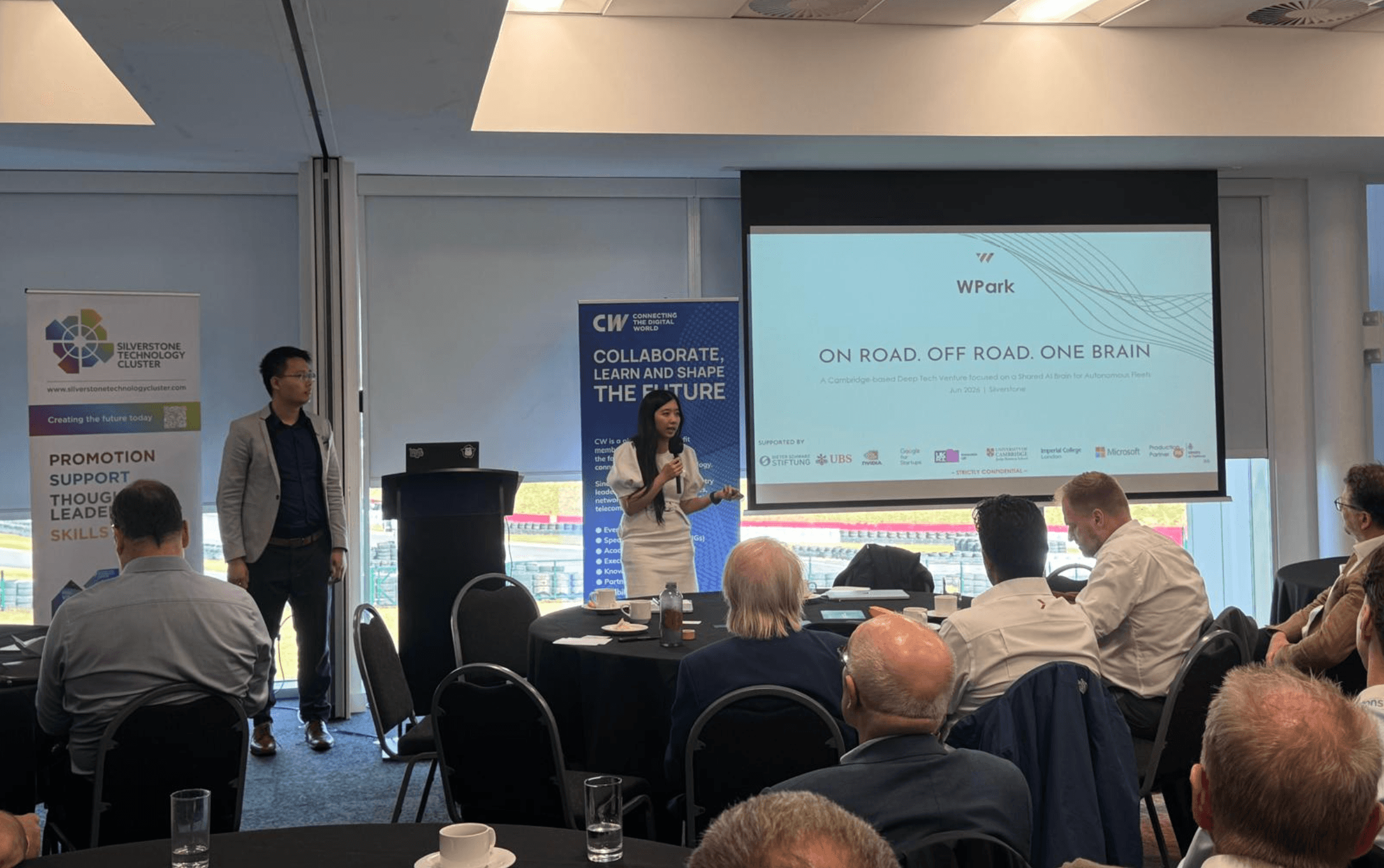
Autonomous vehicle technology is approaching commercial viability across public transport and freight operations, but regulation, connectivity and public acceptance remain significant barriers to wider deployment, according to speakers at a Silverstone Technology Cluster event.
Industry representatives, transport authorities and technology developers gathered at Silverstone Museum for a Future Mobility conference held jointly with Cambridge Wireless, where discussions focused on the gap between technological capability and real-world implementation.
Examples presented during the event suggested autonomous systems are already operating successfully in controlled environments. Remco Derksen, director at consultancy Rebel Group, outlined the operation of autonomous buses linking Rotterdam-The Hague Airport with a nearby metro station in the Netherlands. The service has been running since 2018 and now completes more than 95% of journeys autonomously.
However, speakers said deployment remains heavily influenced by regulatory requirements. Derksen said the approval process for the Dutch scheme involved extensive testing and took several months to complete.
Connectivity was highlighted as another challenge. Peter Donaldson, senior technical business development manager within BT’s innovation team, said trials had shown that even areas with strong mobile coverage can experience limitations when supporting remote vehicle operations.
The commercial potential of autonomous transport was also discussed. Chris Britton, from Voltempo, said autonomous freight operations could significantly reduce costs on hub-to-hub routes by removing driver constraints and improving vehicle utilisation.
Meanwhile, the Greater Cambridge Partnership outlined progress on autonomous bus trials in Cambridge, where around 2,500 passengers have used vehicles operating within the Connector project since June last year.
Speakers agreed that advances in artificial intelligence, vehicle systems and fleet management are bringing autonomous transport closer to mainstream use. However, legal frameworks, communications infrastructure and public confidence will play a critical role in determining the pace of adoption.
Silverstone Technology Cluster said the event formed part of its programme of special interest group activities focused on emerging technologies and innovation.