Business leaders, educators and public sector organisations have joined forces to launch a new county-wide board designed to strengthen collaboration, improve productivity and present a more coordinated case for investment across Northamptonshire.
The Northamptonshire Growth, Innovation and Productivity (NGIP) Board was officially launched at the University of Northampton, bringing together representatives from business, local government, further and higher education and other civic organisations to provide strategic leadership on the county’s economic future.
Opening the event, Becky Bradshaw, Deputy Vice Chancellor and Chief Operating Officer at the University of Northampton, said the initiative was focused on Northamptonshire as a whole rather than any individual organisation.
“This is not about the University of Northampton,” Becky told delegates. “It is about Northamptonshire, its businesses, its leaders, its assets and its future potential. It’s about bringing together people who understand the county, who are committed to its success and who can help shape the conditions for growth, innovation and improved productivity.”
In a recorded address, Vice Chancellor Anne-Marie Kilday said the county’s long-term prosperity would depend on organisations working together.
“The future prosperity of Northamptonshire will not be shaped by any one institution acting alone,” Anne-Marie said. “If we are serious about growth, innovation, productivity and skills, then we must also be serious about collaboration, shared purpose and collective leadership.”
The board follows work undertaken by the university over the past year examining Northamptonshire’s innovation ecosystem, identifying priority sectors including logistics, advanced manufacturing, food and drink, construction, creative industries, health and life sciences, agriculture and tourism.
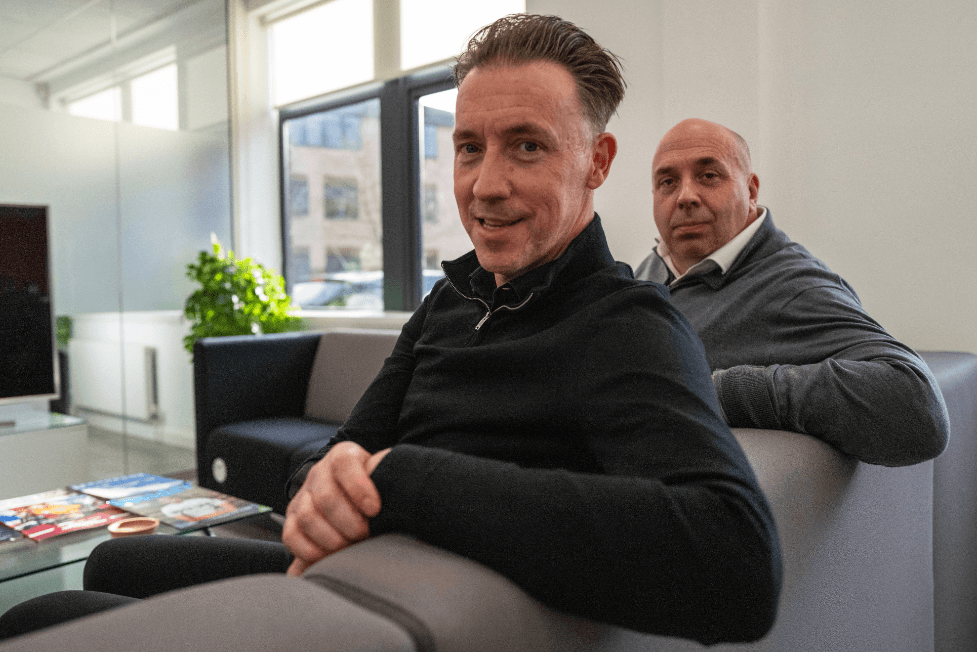
Mike Reader, MP for Northampton South and co-chair of the new board, said Northamptonshire already possessed many of the ingredients needed to support economic growth, citing its nationally significant logistics sector, advanced manufacturing businesses, internationally recognised motorsport and engineering cluster, and expanding food and drink industry.
He said the board would help ensure those strengths were supported by a more coordinated approach to investment, innovation and skills.
“It’s not just another forum. It’s not just another talking shop. It is an engine for delivery for Northamptonshire’s economy,” Mike said.
Among the board’s first priorities will be producing a State of the Northamptonshire Economy report, identifying flagship projects and developing a stronger inward investment proposition for the county.
Mike also said Northamptonshire needed to be better positioned to benefit from major regional developments, including Universal’s planned theme park in neighbouring Bedfordshire, warning that surrounding areas were already preparing to secure much of the associated investment and employment opportunities.
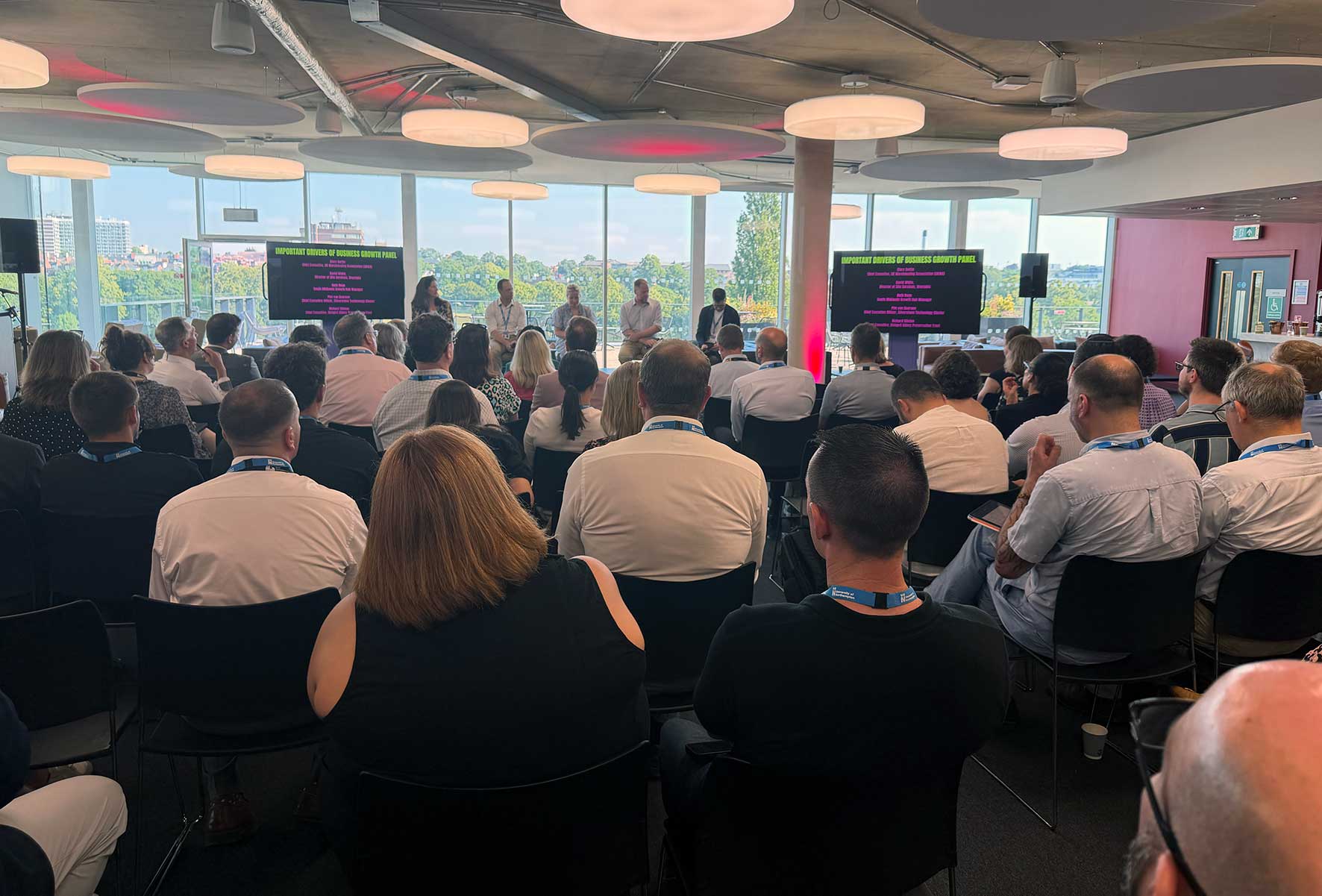
Following the launch, representatives from key sectors discussed the challenges facing businesses across the county.
The panel featured Claire Bottle, chief executive of the UK Warehousing Association; David White, Director of Site Services at Weetabix; Ruth Roan, South Midlands Growth Hub Manager; Pim van Baarsen, chief executive of Silverstone Technology Cluster; and Richard Clinton, chief executive of Delapré Abbey Preservation Trust.
Despite representing different industries, panellists identified many of the same priorities for Northamptonshire’s economy. Skills shortages, access to funding, transport infrastructure, workforce mobility and simplifying business support were repeatedly highlighted as barriers to growth.
Ruth said businesses remained ambitious but often lacked the capacity or confidence to navigate an increasingly complex support landscape.
Claire highlighted transport infrastructure and workforce mobility as continuing challenges for the logistics sector, while Pim called for stronger collaboration between businesses and education providers to address skills shortages and support innovation.
Richard argued that tourism, culture and heritage should play a greater role in the county’s economic strategy, describing the sector as an important driver of investment, employment and place-making.
The board’s first formal meeting is scheduled for the end of July, with members aiming to develop practical projects that support business growth, strengthen skills and improve productivity while helping Northamptonshire present a stronger, unified case for future investment.