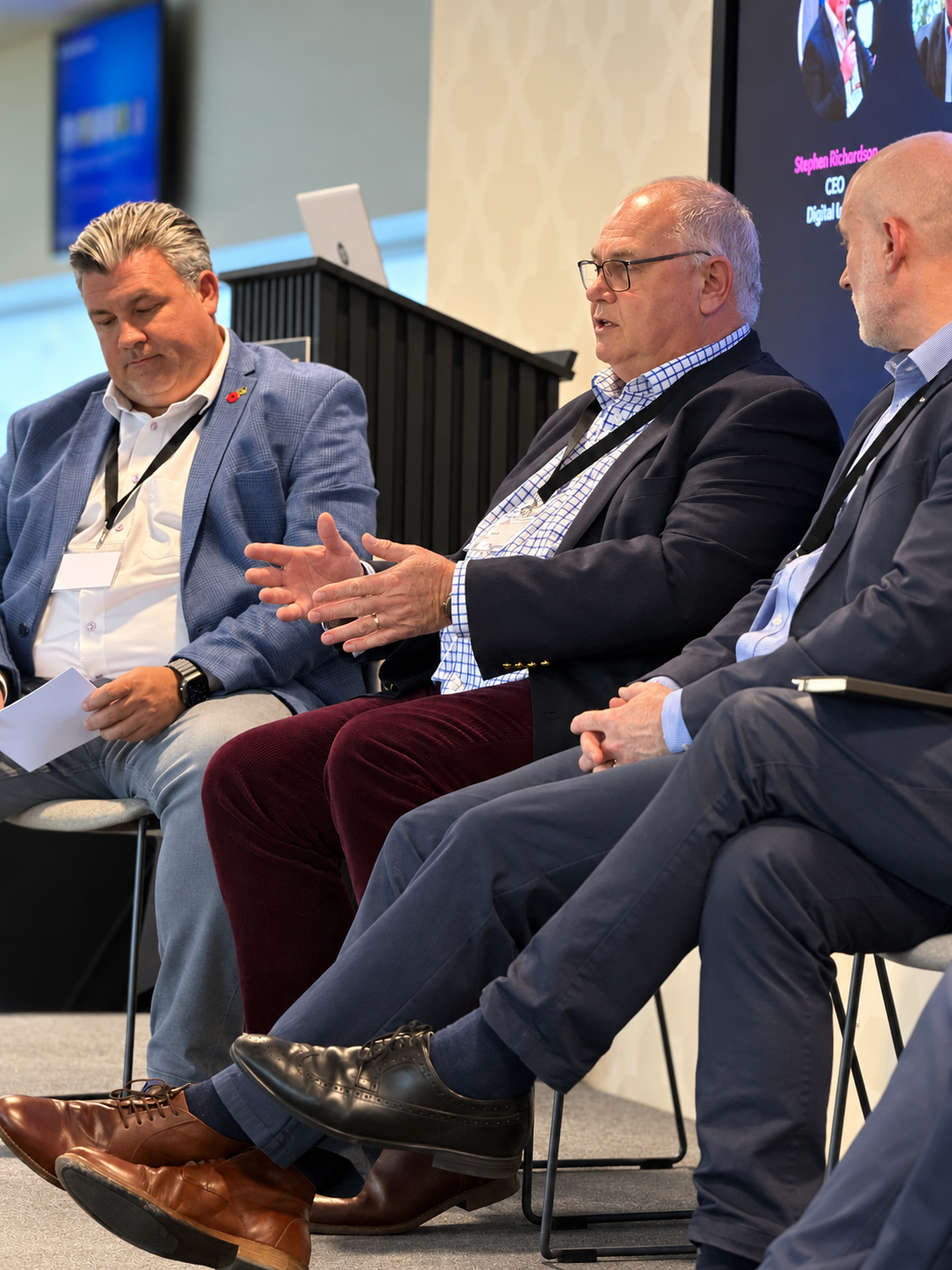
The former director of Northamptonshire haulage company Knights of Old has warned business leaders against leaving cyber security entirely to IT specialists, reflecting on the devastating ransomware attack that preceded the collapse of the 158-year-old business.
Paul Abbott told a cyber security conference in Northampton that directors must understand the risks facing their organisations and be able to challenge the advice they receive, rather than assuming that investment in technology and external expertise provides sufficient protection.
Speaking at From Risk to Resilience, held at Franklin’s Gardens, he gave a candid account of the decisions made before the June 2023 attack on KNP Logistics Group, the parent company of Knights of Old.
The Kettering-based group entered administration in September 2023, with more than 700 employees made redundant. Administrators identified the ransomware attack as a major contributor to the company’s collapse, alongside difficult trading conditions and an inability to secure urgent investment.
Paul explained that the business had invested substantially in IT support, additional security services and insurance. However, he acknowledged that the board did not have sufficient understanding of the systems and protections it was paying for.
He described how directors had taken reassurance from having an established IT provider and security arrangements in place, allowing them to concentrate on the day-to-day demands of running a major logistics operation.
Looking back, he said he wished he had taken a more direct role in overseeing IT and understanding the information being presented to the board.
His concern was not simply whether the company had spent enough on cyber security, but whether directors understood what that expenditure was achieving.
Without knowing the right questions to ask, he suggested, it was difficult for business leaders to challenge technical advice or assess the decisions being made on their behalf.
Paul’s comments reflected a broader issue raised throughout the conference: cyber security is not solely a technical responsibility, but a matter of business leadership, financial risk and operational continuity.
He challenged delegates to imagine their technology systems being switched off overnight and to consider whether their businesses could continue operating the following morning.
His advice was to establish whether essential operations could function without normal IT systems and whether disaster recovery arrangements would provide enough time to respond to an attack.
The experience of Knights of Old has attracted national attention, including a BBC Panorama investigation into the ransomware attack. Paul has subsequently spoken publicly about the need for directors to understand cyber security risks and question the protection provided by their IT suppliers.
The Northampton conference brought together business leaders, cyber security specialists and insurance professionals to examine the changing nature of cyber crime and the measures organisations can take to protect themselves.
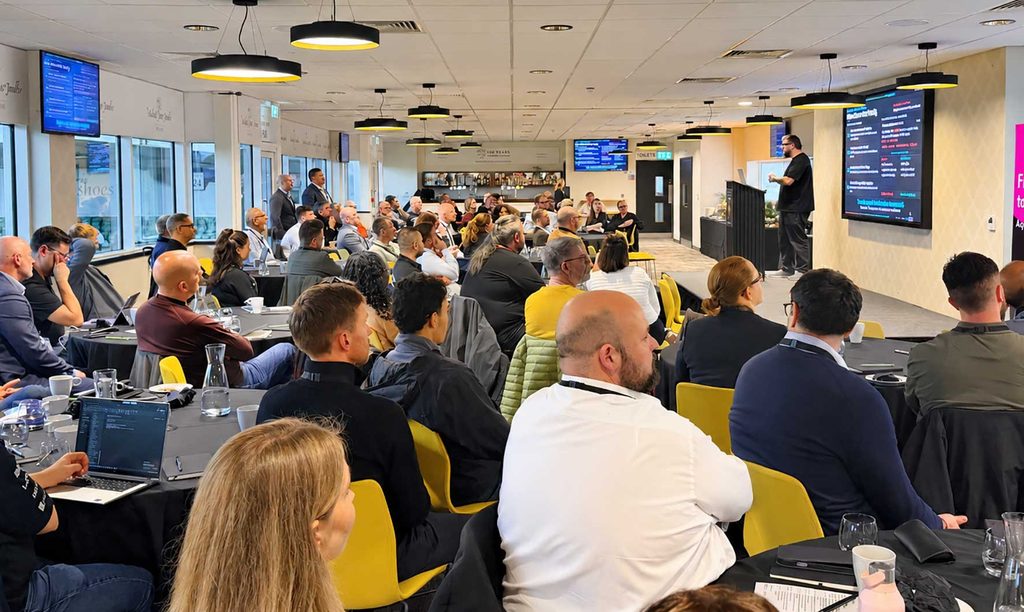
Demonstrations during the event showed how criminals can exploit everyday technology and human behaviour, including malicious charging cables, QR codes and artificial intelligence used to imitate people’s voices.
The examples illustrated how attacks can begin with seemingly routine activities, while reinforcing the importance of employee awareness and encouraging staff to report suspicious behaviour promptly.
Representatives from N-able examined the growing use of artificial intelligence by cyber criminals, including its potential to automate attacks and identify weaknesses across business networks.
Other sessions focused on the practical steps organisations can take to strengthen their defences.
A presentation from cyber security specialists Fortis Cyber examined the importance of maintaining secure systems, applying software updates, assessing vulnerabilities and introducing stronger authentication.
Businesses were warned against treating Cyber Essentials certification as an annual exercise undertaken simply to satisfy customers or qualify for contracts.
Instead, delegates were encouraged to regard recognised security standards as part of a continuing programme of improvement, with regular checks to ensure that protective measures remain effective.
The importance of testing backups and rehearsing incident response plans was also emphasised, particularly where businesses depend heavily on digital systems to manage their operations.
Cyber insurance specialist Alex Spensley, from Lockton, outlined the financial consequences of serious incidents, which can extend well beyond the immediate cost of restoring computer systems.
Business interruption, lost income, legal expenses, data recovery and potential liabilities to customers can all contribute to the overall cost of an attack.
He explained that cyber insurance can also provide access to specialist incident-response teams, including forensic investigators, legal advisers and crisis management professionals, depending on the policy.
However, insurance was presented as one part of a wider approach to resilience rather than a substitute for effective security and business continuity planning.
The event concluded with a panel discussion chaired by Stephen Richardson, during which speakers considered the actions business owners should prioritise to improve their resilience.
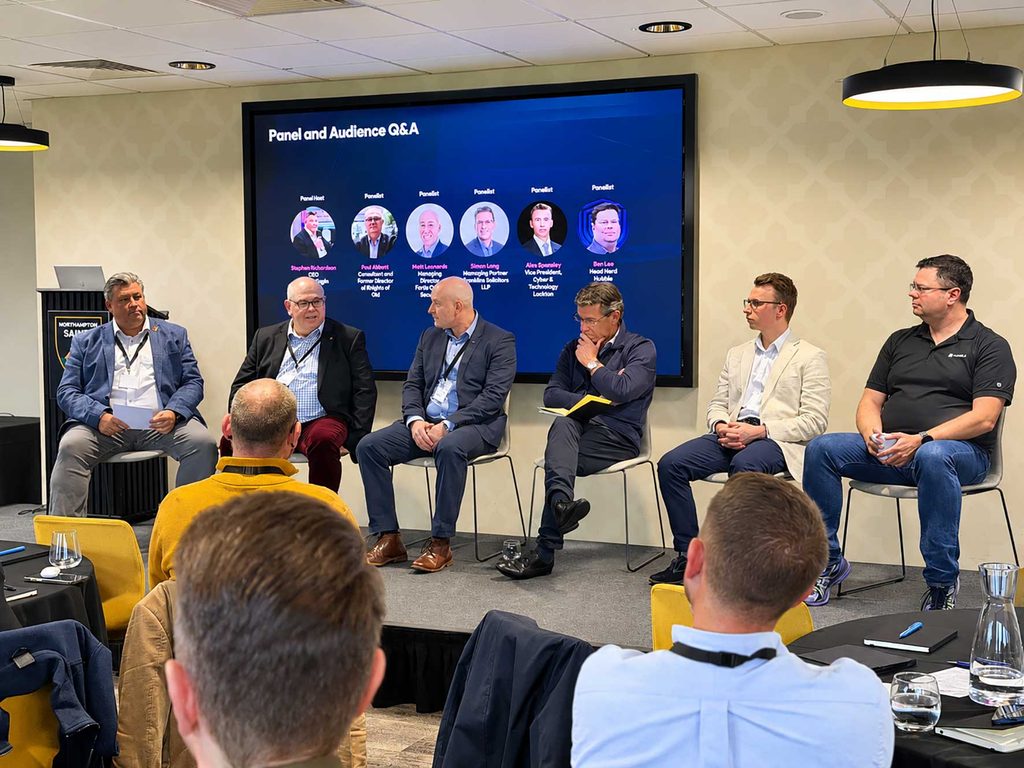
Recommendations included understanding the organisation’s technology infrastructure, reviewing insurance arrangements, maintaining recognised security standards and ensuring that essential recovery information remains accessible if normal systems fail.
For Paul, the most important lesson from the collapse of Knights of Old was the need for greater understanding and scrutiny at board level.
His account illustrated how a company can invest in security measures and professional advice yet remain exposed to an attack capable of disrupting its operations and threatening its survival.
The message to business leaders was to question the protection they have in place, understand the consequences of losing access to critical systems and establish whether their businesses could continue functioning when those systems are unavailable.
Main Image: Paul Abbott (centre), former director of Knights of Old, shares his experience of the cyber attack that preceded the company’s collapse during the From Risk to Resilience conference at Franklin’s Gardens, Northampton. Credit: Business MK.