A Northamptonshire farming estate says it has reduced its electricity costs by 17% after changing the way it buys renewable energy, in a move designed to improve long-term business resilience.
Courteenhall Estate has switched to sourcing much of its purchased electricity through tem, a UK energy transactions platform that enables businesses to buy power directly from independent renewable generators rather than through the wholesale market.
The estate says the change has reduced its exposure to wholesale energy price volatility, which has affected many rural businesses in recent years.
Courteenhall already generates a significant proportion of its own electricity. Solar installations across the estate produce more than 567,000kWh of electricity each year to power poultry housing, farming operations and tenant properties. The estate also uses ground and air source heat pumps, biomass and solar thermal technology as part of its wider energy strategy.
Of the electricity the estate still purchases, around 72% is now supplied through tem.
Johnny Wake, managing partner of Courteenhall Estate, said the new approach reflected the estate’s wider commitment to building a more resilient farming business.
He said: “It’s shaking up an energy industry that, frankly, feels broken and in need of freeing up.
“From a farmer’s point of view, that’s exactly the kind of change we want to see. It’s a model that should work to the benefit of farmers as well as households.”
The estate’s approach to energy forms part of a broader programme of regenerative farming and environmental management, which also includes investment in renewable technologies and initiatives designed to strengthen long-term business sustainability.
Courteenhall is also developing The Knot, a farm shop and restaurant intended to connect local communities with locally produced food, with part of the development expected to be powered by renewable energy.
This summer, the estate is also launching The Good Food Plan, a West Northamptonshire initiative aimed at encouraging healthier eating and stronger community engagement through local food.
Johnny said: “None of this sits in isolation. Whether it’s how we farm, how we use energy, or how we better connect people to the food they eat, it all comes back to the same principles.
“We’re responsible for leaving this place in better shape for the future.”
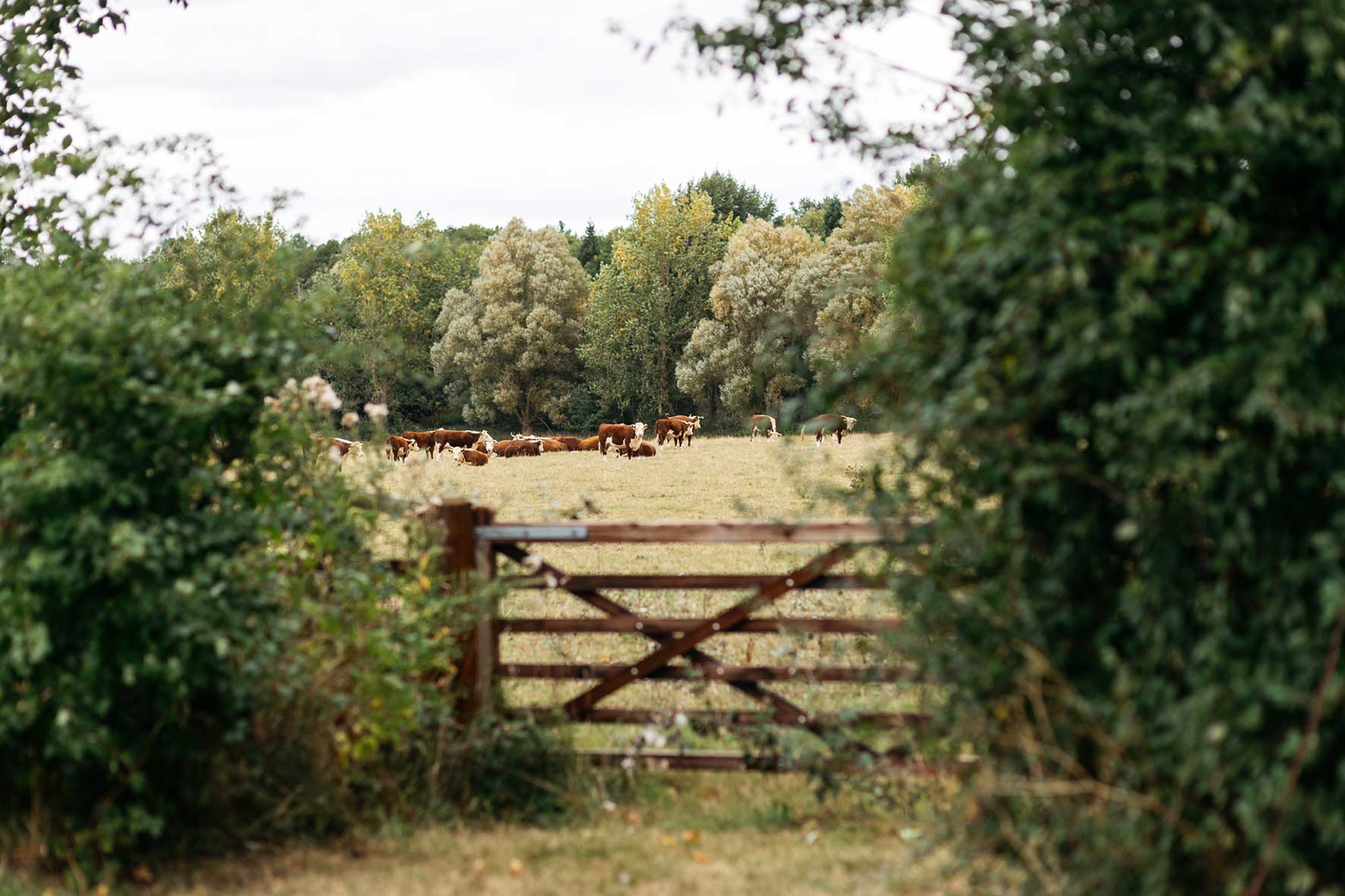
Image: Solar installations at Courteenhall Estate. Credit – Friends Of Mine Studio